

Does Light Affect Sleep? (Yes, Here's How)
An introduction to how light shapes your body clock, influences sleep timing, and affects how rested you feel from morning to night.


Light Tells Your Brain What Time It Is
Your eyes do more than help you see. Special cells send a daily time signal to your brain's master clock in the hypothalamus. Bright light in the morning says wake up and set the schedule. Bright light at night says stay alert and delay sleep.
Think of light as the strongest external cue for your body clock. When that cue lines up with your desired schedule, sleep feels natural. When it does not, falling asleep, staying asleep, and waking with energy all get harder.
Morning Brightness vs. Evening Dimness
Morning: Get outside or near a bright window soon after waking. Natural daylight is far brighter than typical indoor bulbs. Even 5 to 10 minutes helps anchor your rhythm.
Evening: Lower light levels 1 to 2 hours before bed. Dim lamps, warmer colors, and screen filters reduce the alerting power of light. Total darkness is ideal for sleep, but small, non-glary lights for safety are fine if kept low and indirect.
Morning Sunlight vs. Indoor Light: Why It Matters
Screens, Tiny LEDs, and Indoor Bulbs
Screens can delay sleep because they are bright and close to your eyes. Content that is exciting adds another push. If you must use devices late, dim them, use night modes, and set a cut-off time.
Small indicator lights from chargers or routers look harmless, but in a dark room they can be enough to signal wakefulness. Cover or unplug them if you notice they bother you.
What Blue Light Is and How It Affects Sleep
Simple Habits That Make a Big Difference
- Get bright light early.
- Keep evenings dim.
- Sleep in real darkness.
- Be consistent on weekends so your clock does not drift.
These basics solve most light-related sleep issues, but in practice it can be very hard to implement in our modern world. The following articles will go into more depth including timing details, device settings, and special situations like shift work or jet lag.
Next Up
What does light have to do with sleep anyways?
In this section
Articles in Does Light Affect Sleep? (Yes, Here’s How)

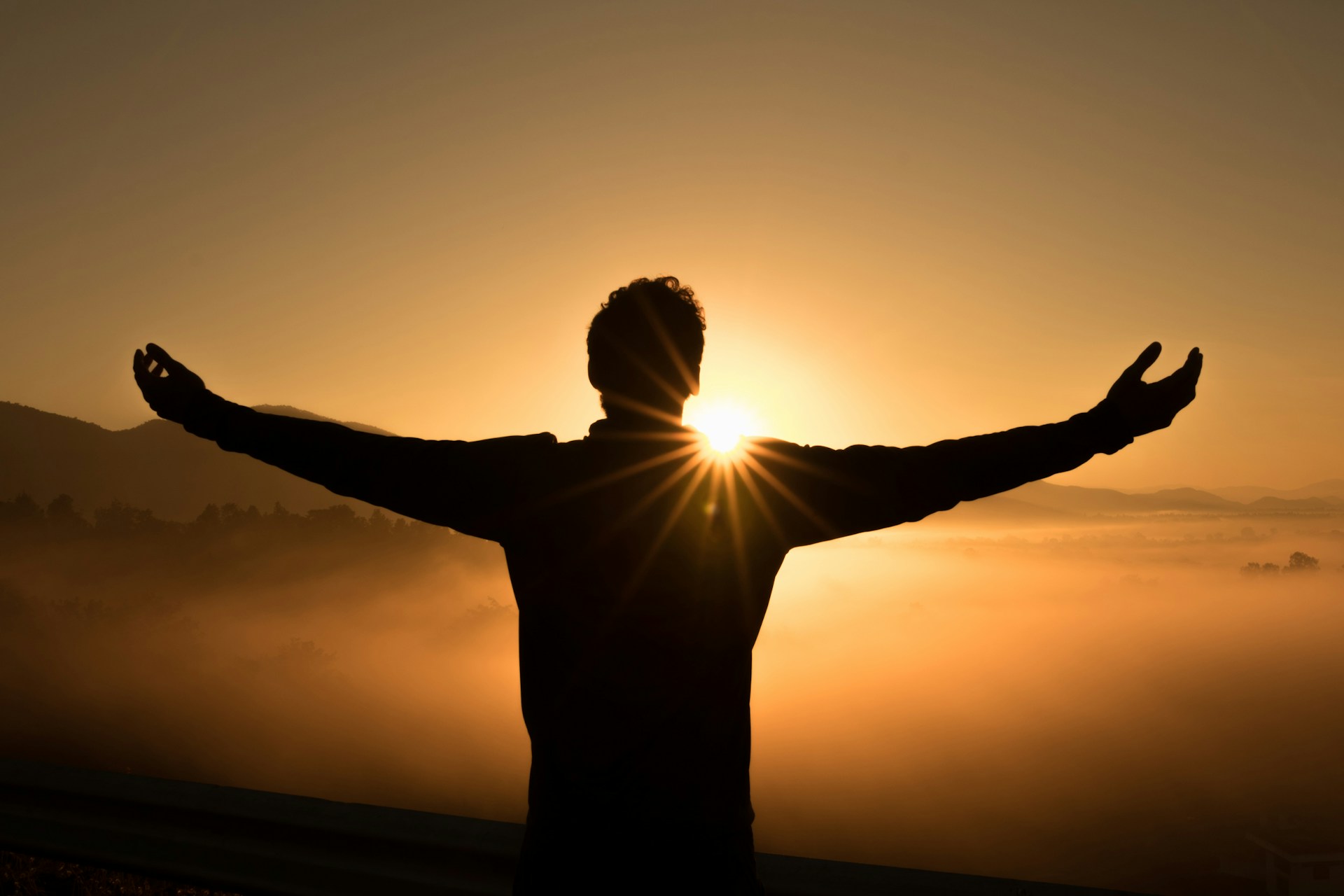
Does Light Affect Sleep? The Short Answer
A quick overview of why light has such a powerful effect on sleep and why modern lighting can so easily throw that system off.
2 min read
Read article

Morning Sunlight vs. Indoor Light: Why It Matters
A closer look at why natural morning light sends a stronger biological signal than typical indoor lighting and why that difference matters for sleep.
2 min read
Read article
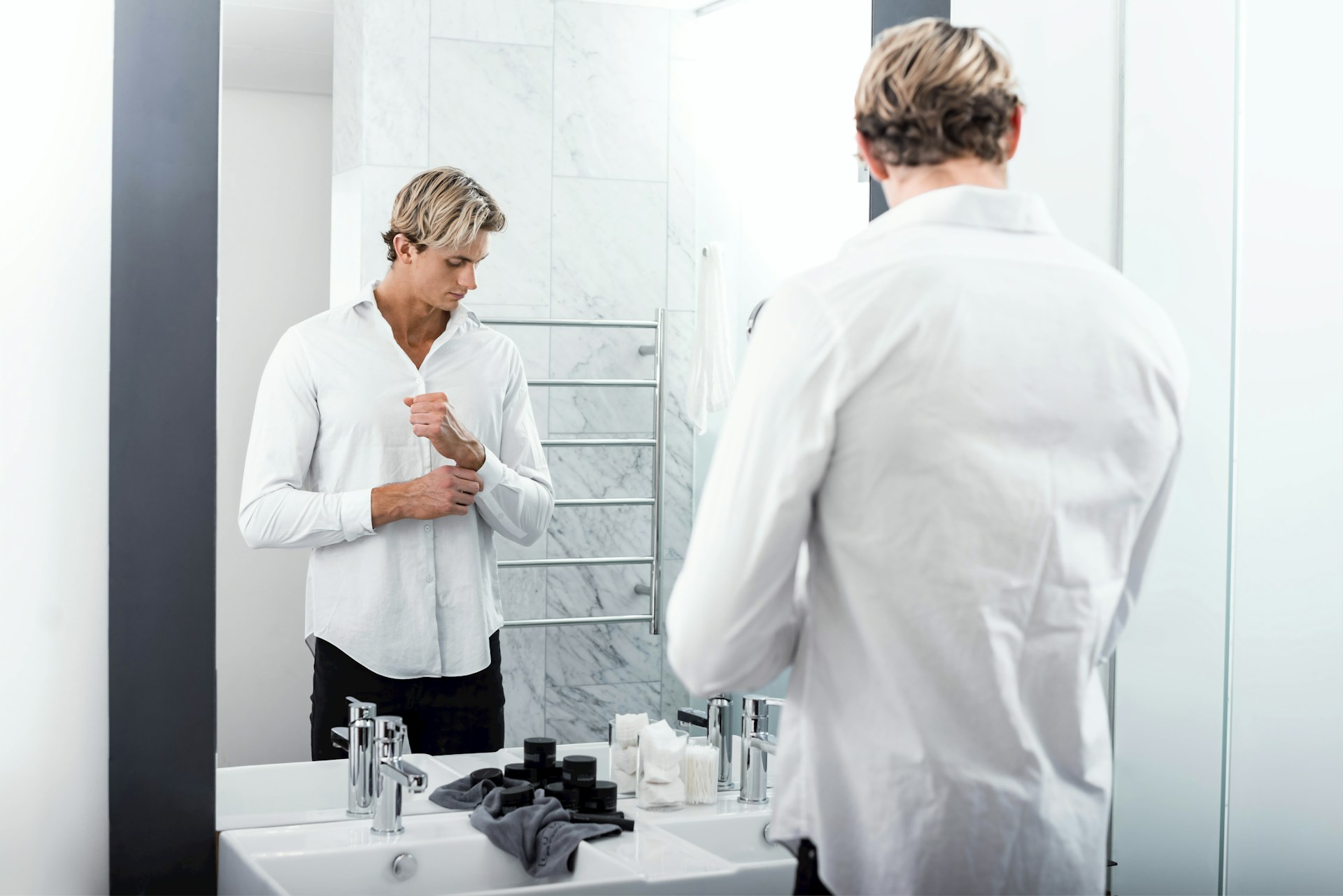
How Light at Night Affects Sleep: Bright Nights, Tired Days
An overview of how bright evenings can quietly shift your body clock, making it harder to fall asleep and harder to feel sharp the next day.
2 min read
Read article
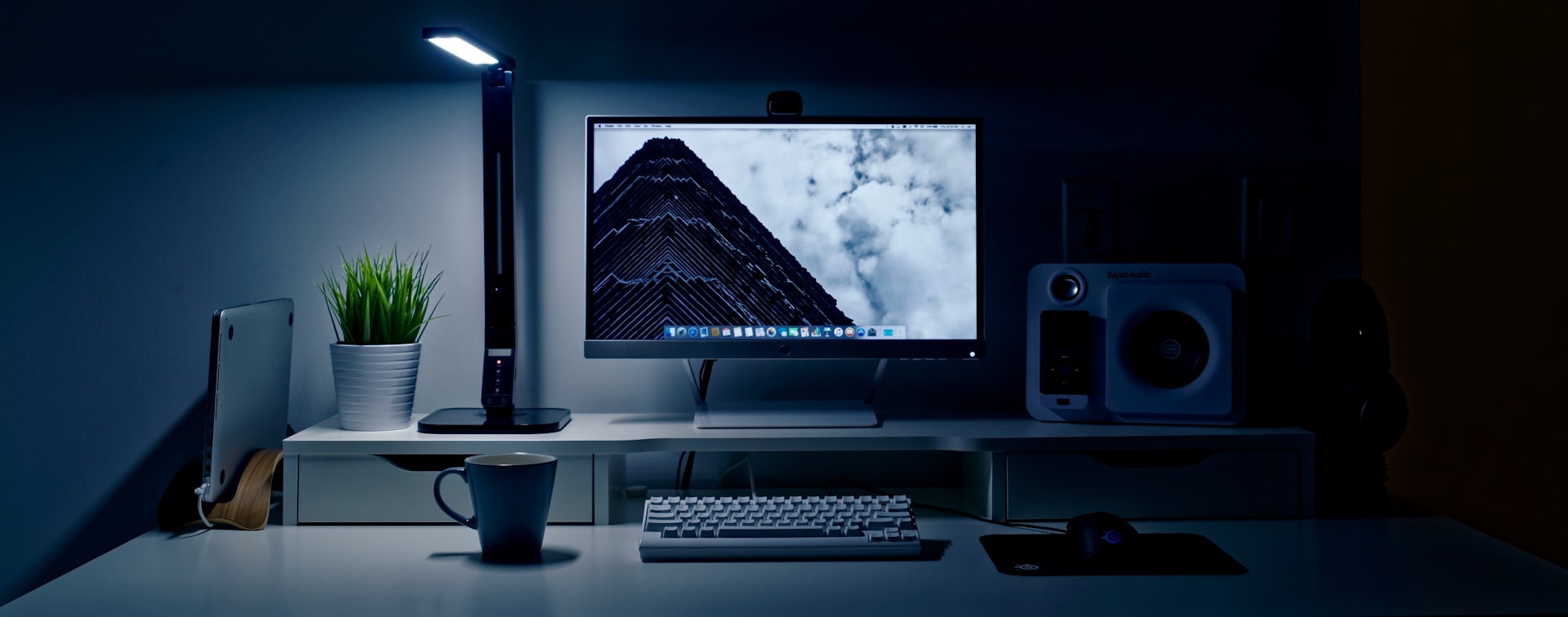
What Blue Light Is and How It Affects Sleep
A plain-language explanation of what blue light is, why your brain responds to it so strongly, and when it matters most for sleep.
1 min read
Read article
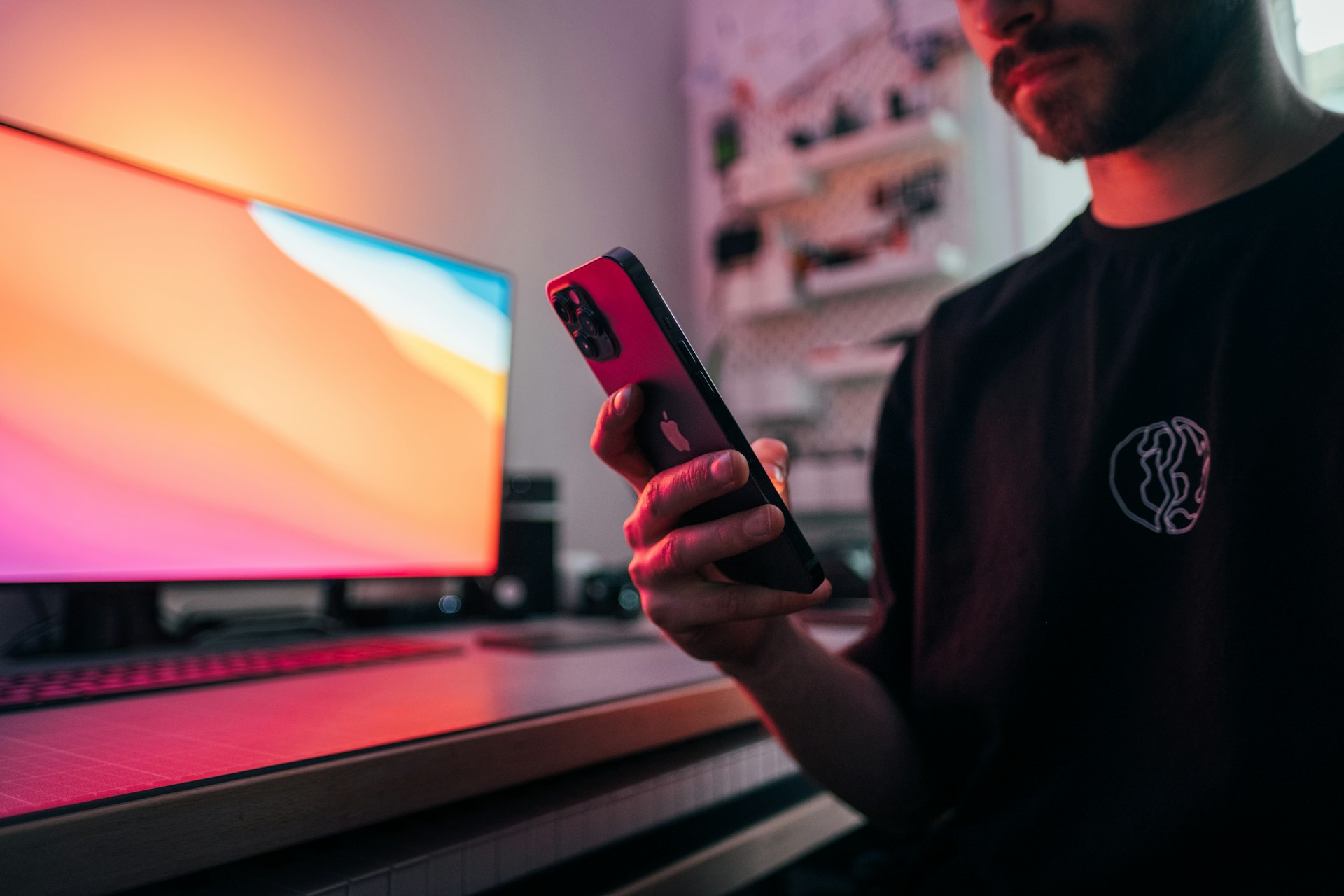
Does Night Mode Help Sleep? What It Can and Can't Do
A look at what night mode actually changes, where it helps, and why it is only one small part of reducing late-night light exposure.
3 min read
Read article
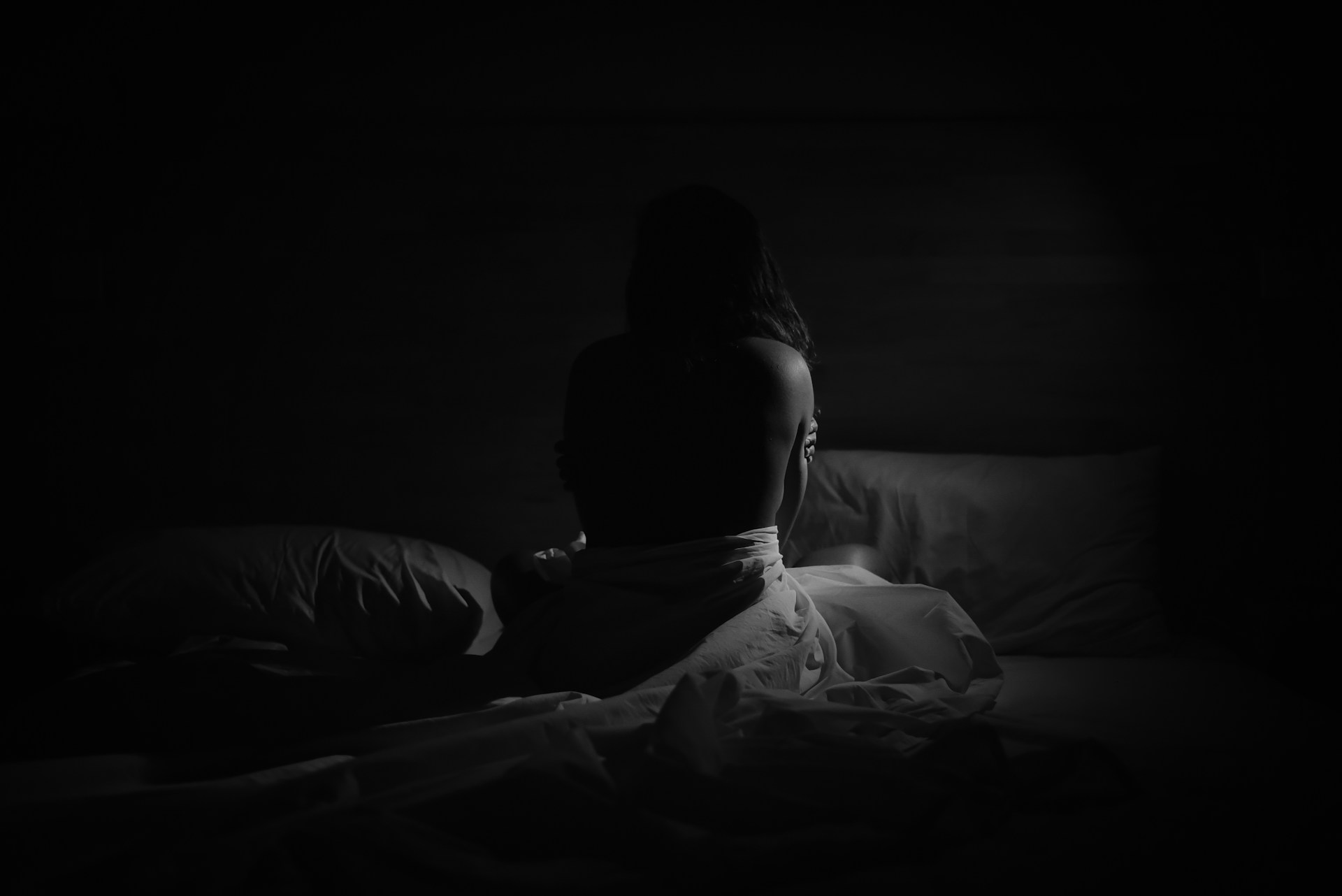
Darkness Cues: How Your Brain Knows It's Bedtime
An explanation of how evening darkness helps signal bedtime and why the absence of bright light is an active part of healthy sleep timing.
3 min read
Read article
How Tiny LEDs Affect Sleep: Minimizing Micro-Lights
A practical guide to the tiny light sources that can clutter a dark room and why even small nighttime glows are worth paying attention to.
2 min read
Read article
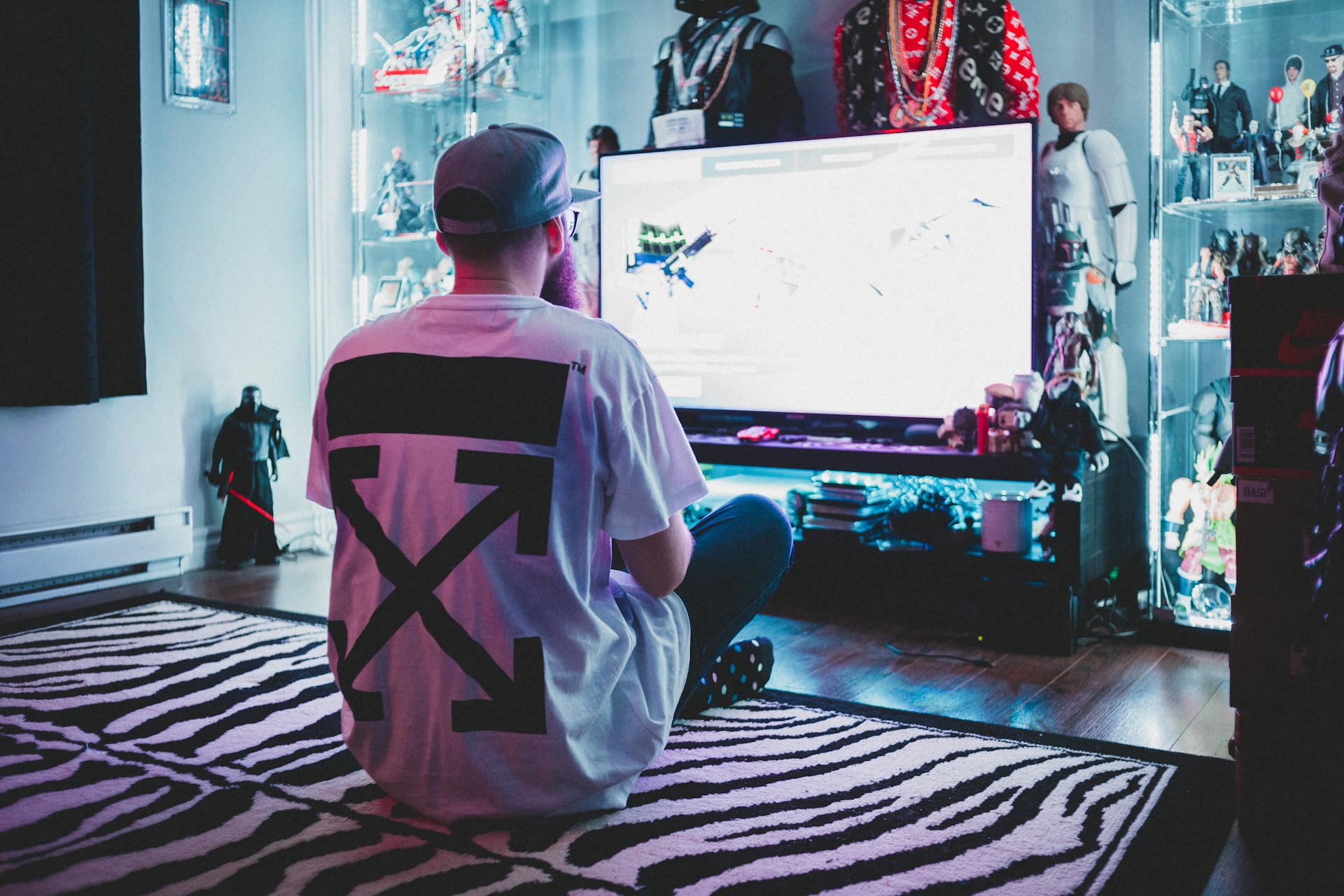
How Screens Delay Sleep Onset
A breakdown of how screens can push sleep later through both light exposure and late-night stimulation, plus why the effect can linger after you log off.
2 min read
Read article
Weekend Light Habits That Break Your Rhythm
A look at how weekend lighting and sleep habits can shift your body clock just enough to make the next week feel out of sync.
2 min read
Read article