

Does Night Mode Help Sleep? What It Can and Can't Do
A look at what night mode actually changes, where it helps, and why it is only one small part of reducing late-night light exposure.
The Short Answer
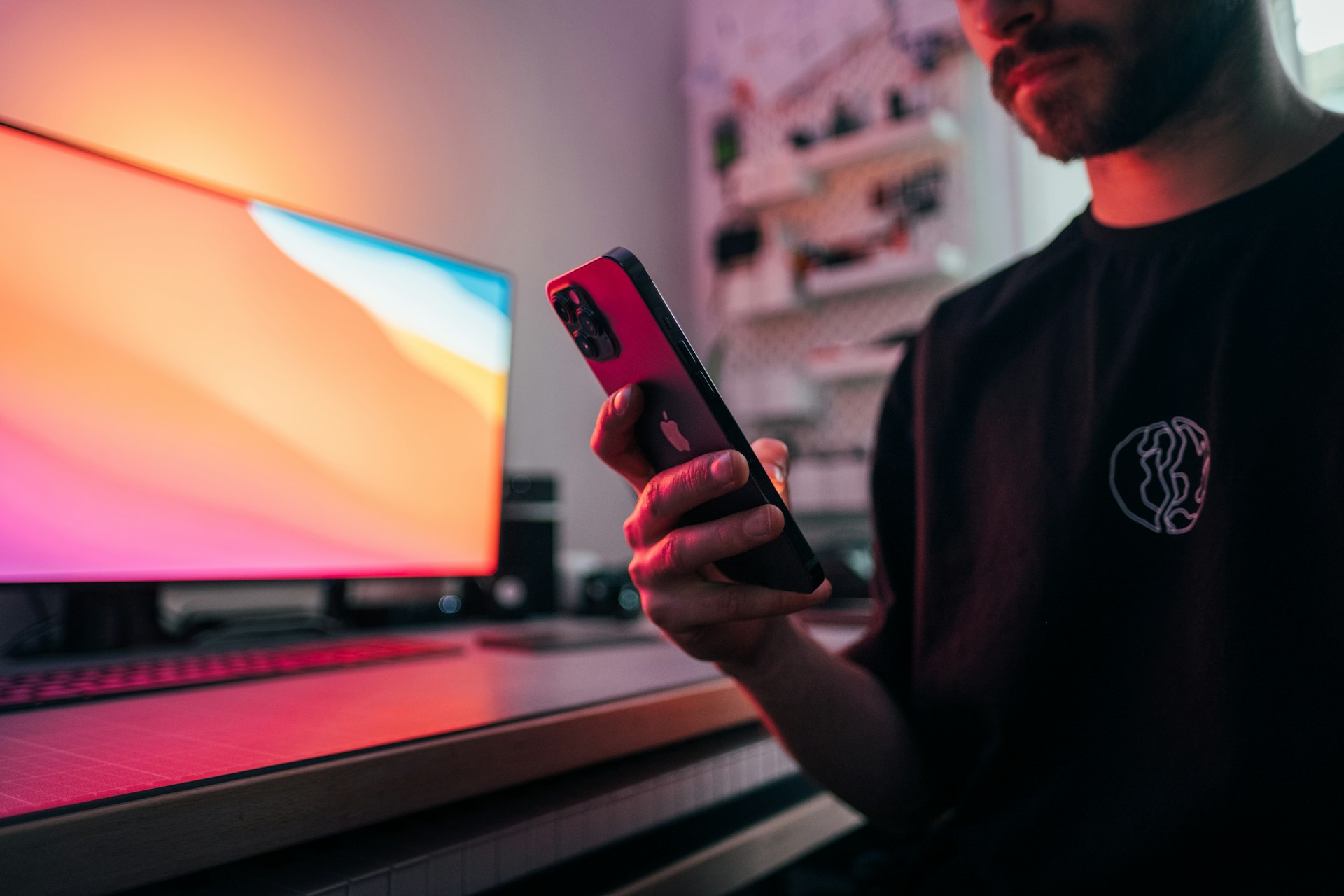
Night mode helps a little by shifting your screen toward warmer colors, but it is not enough on its own. Bright light of any color late at night still signals your brain to stay awake. If you rely only on a yellow tint and keep the screen bright, close, and in your face for hours, your circadian system will still get the wrong message.
What Night Mode Actually Changes
Most software night modes lower the amount of short-wavelength ("blue") light and raise the color temperature to look amber. They rarely cut overall brightness or total light output much. Melanopsin-containing cells in your eyes are most sensitive to blue, but they still respond to a wide band of visible light. So a warm, bright screen can still delay melatonin release and push back sleep.
Why Your Brain Still Thinks It Is Daytime
Your circadian clock cares about intensity, duration, and timing of light, not just color. Late-evening exposure to a strong light source tells the suprachiasmatic nucleus that sunset has not really happened yet. Result: melatonin is suppressed or delayed, sleepiness fades, and your internal schedule drifts later.
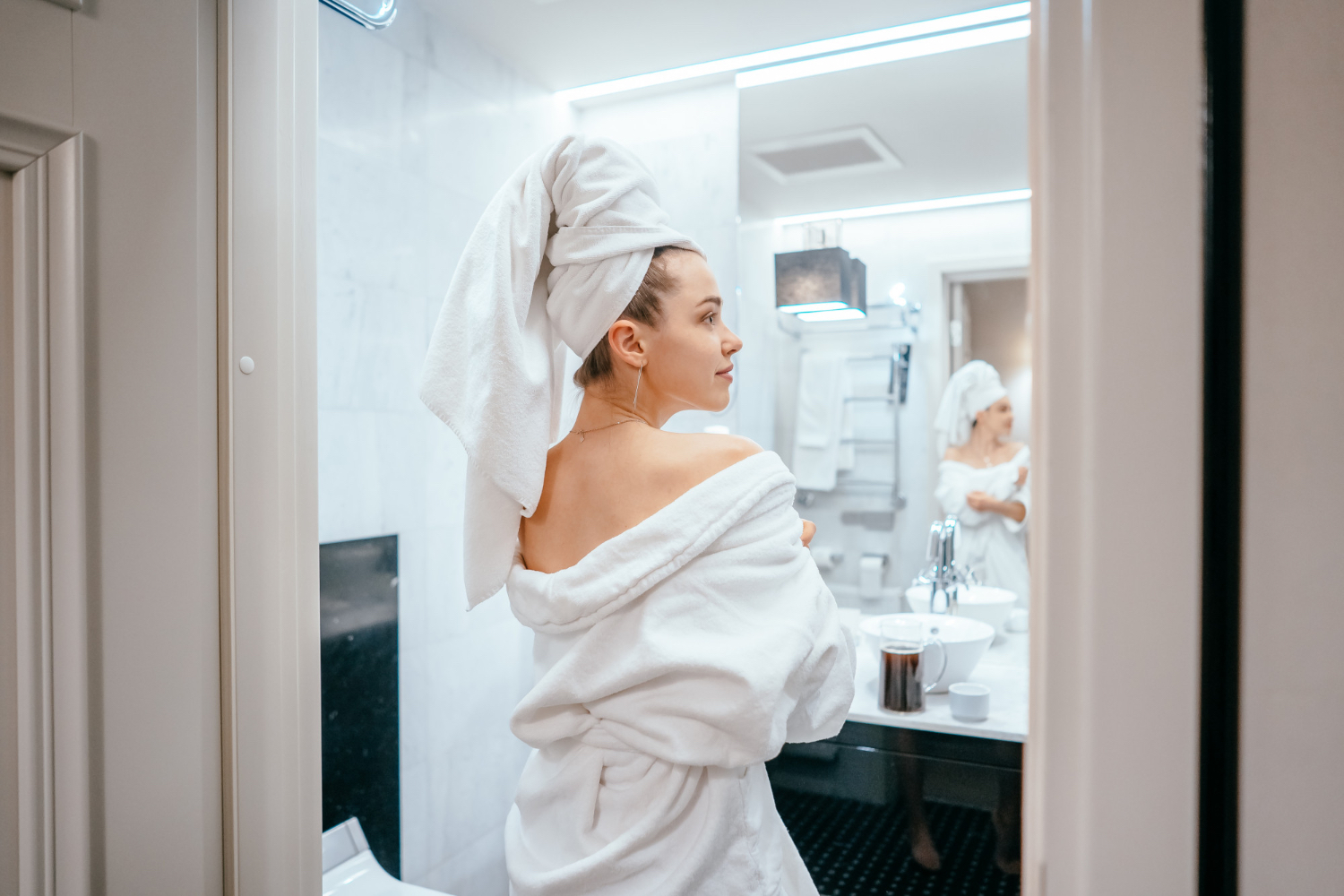
An even bigger issue you might not realize is that even if you have the night shift filter on and the brightness minimized, turning on the lights in your room or using bright overhead lights can still signal wakefulness. Your brain is not fooled by a tinted screen if the rest of your environment is bright. Brushing your teeth in a brightly lit bathroom will overpower any effect from the night mode filter. Even 2 minutes is enough to crush your melatonin levels for several hours.

Three Factors That Matter More Than Tint
-
Brightness: Drop your screen to the lowest comfortable level.
-
Duration: Short, targeted use beats a two-hour scroll.
-
Distance: Farther away means less light hitting the retina. A TV across the room is less disruptive than a phone 20 cm from your eyes.
Better Evening Screen Habits
-
Combine night mode with real dimming.
-
Use a physical filter or glasses that block a large portion of blue and green light if you must stay on devices.
-
Set a cutoff time for stimulating content. Reading a calm article is different from rapid-fire reels or intense gaming.
-
Switch to audio (podcasts, audiobooks) or e-ink when possible.
When Night Mode Still Helps
If you already dim the screen, keep usage brief, and avoid bright ambient lights, the extra spectral shift from night mode can further reduce stimulation. Think of it as the garnish, not the main dish.
If You Must Use a Screen Late
-
Enable night mode and lower brightness first.
-
Move the device farther away or use a larger, dimmer display.
-
Take frequent breaks to minimize total exposure.
-
Afterward, go as dark as possible so your brain can recover the nighttime signal.
Want the Basics on Blue Light?
If you want a quick primer on what "blue light" actually is and why it matters, read this first.
What Blue Light Is and How It Affects Sleep
Next Up
Learn how to actually signal your brain that it is time to wind down, not just dim the screen.