

The Role of Temperature in Sleep Architecture
A practical overview of how body temperature and bedroom climate influence sleep onset, stage stability, and the quality of sleep across the night.

Why Temperature Matters for How You Sleep
Your body runs on a daily temperature rhythm that cues when to feel alert or sleepy. Core body temperature gradually falls in the evening, reaches its lowest point a couple of hours before natural wake time, then rises again. That drop helps you fall asleep and shapes how much deep sleep vs. lighter stages you get across the night.
Core Drops, Skin Warms: The Physiology in Brief
To cool the core, your body opens blood vessels in the hands, feet, and face. Warm extremities let heat escape, which in turn lowers core temperature. The bigger the gradient between warm skin and cooling core, the easier sleep onset tends to be. Cold feet or tight socks can blunt that process.
Temperature and Sleep Stages
Slow wave sleep (deep N3) is favored when your core temperature is low and stable. Overheating fragments N3 and pushes you into lighter stages or brief awakenings. REM sleep occurs when your brain partially suspends temperature regulation, so a very hot or very cold room can still jolt you awake or reduce REM density.
REM vs. Deep Sleep: What's the Difference?
The Bedroom Sweet Spot
Most studies find a comfortable sleep range around 16–19 °C (60–67 °F) for many adults, but personal comfort matters more than a rigid number. Aim for a room that feels cool when you first get into bed, breathable bedding, and pajamas that let heat escape. If you wake sweaty or chilled, adjust layers, not just the thermostat.
Pre-Sleep Cooling Tricks
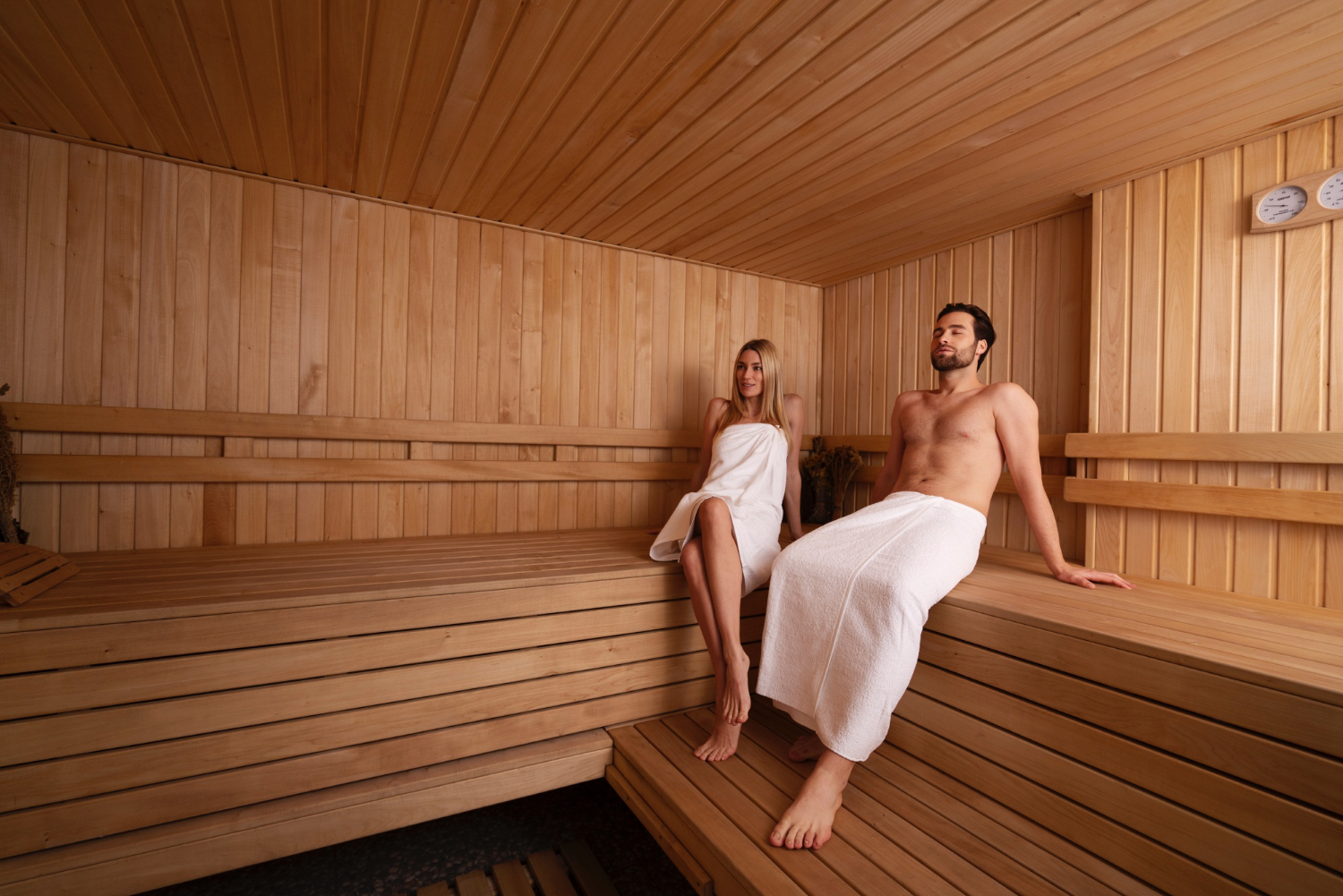
A warm shower or bath 60–90 minutes before bed sounds counterintuitive, but it dilates skin vessels and triggers a rebound cooling afterward. Light stretching, gentle movement, or a warm beverage can also nudge peripheral vasodilation without raising heart rate too much.

Hands, Feet, and Micro-Adjustments
If you struggle to fall asleep, try warming your feet (light socks or a brief foot soak) while keeping the room cool. Small fans to move air near your face, or phase-change cooling pads under the torso, can fine-tune comfort without freezing the whole space.
Heat Sources That Sabotage the Night
Heavy late meals, alcohol, intense evening workouts, and thick memory-foam mattresses all add internal or trapped heat. Electronics under the pillow, pets under the covers, and sealed blackout curtains with no airflow can also inch temperatures up over the night.
Light and Temperature Team Up
Your circadian system reads both light and temperature as timing signals. Dimming lights and letting the room cool in the evening sends a stronger “night” message than either alone.
Common Mistakes
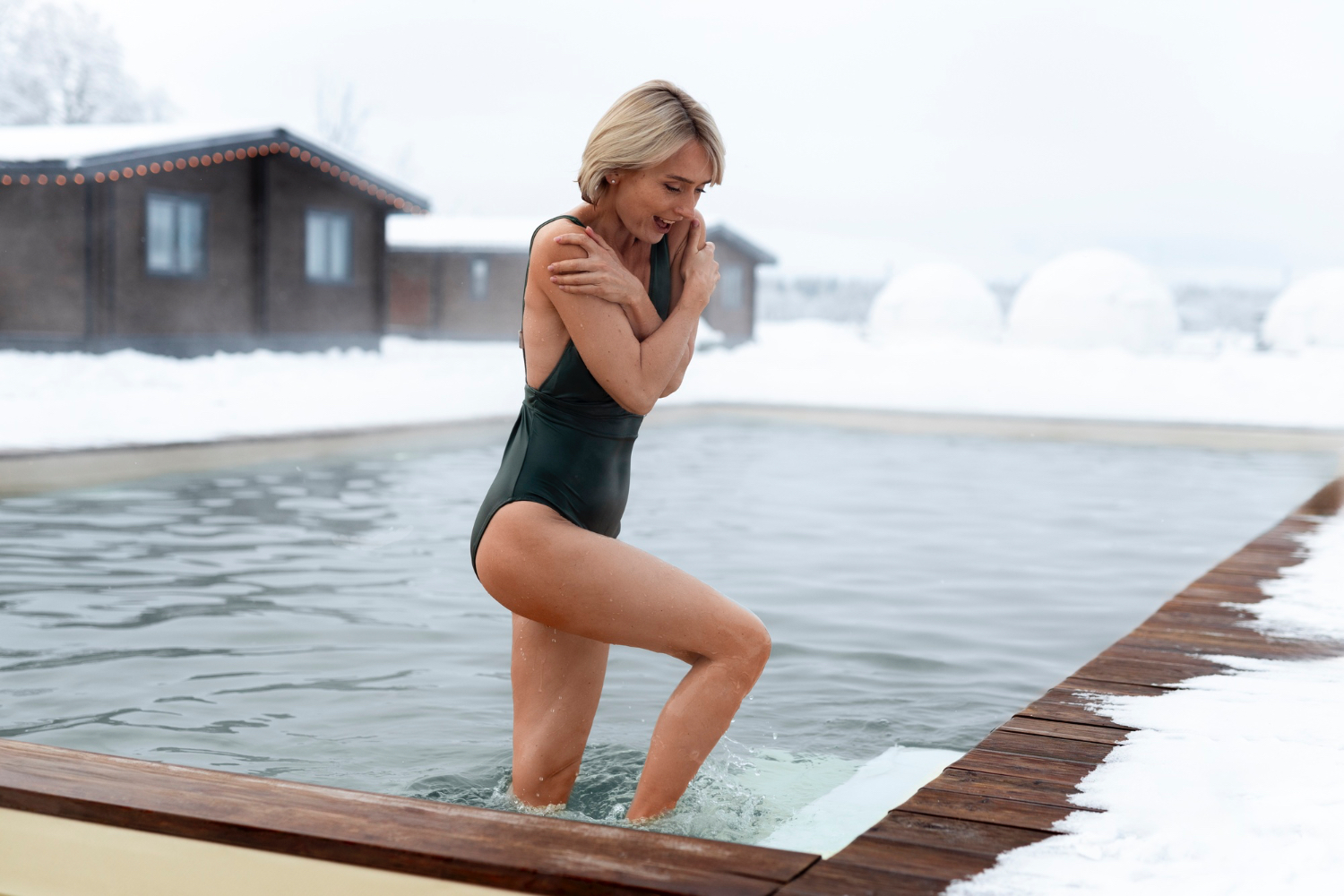
Similar to bright light at night, cold exposure right before bed can disrupt sleep onset. Avoid ice baths or freezing showers too close to bedtime, as this will paradoxically increase your body temperature and spike your cortisol levels. If you're interested in cold exposure, try it earlier in the day unless you're explicitly trying to delay your sleep schedule.

Next up
Temperature is just one piece of the puzzle. Next, discover what truly defines "good sleep quality" and why hours alone aren't enough.