

From Illumination to Foundation: Light as a Pillar of Health
A closer look at why light is one of the body’s most important timing signals and why it deserves a much bigger role in health conversations.


In our previous post, we defined Circadian Sleep Optimization and why it matters for long-term health. If you missed it, start here:
What is Circadian Sleep Optimization?
Light is not just for seeing
Most people think of light as a way to see or set a mood. Biology treats light as a master input that sets time in the body. The eyes do double duty. They form images for vision and they measure brightness and spectrum to tell the internal clock what time it is.
Since the dawn of time

Light has been the primary time cue for all life on Earth. The sun rises, peaks, and sets in a predictable pattern that has shaped biology for billions of years. Our internal clocks evolved to match this cycle, with light as the master signal.
Before the invention of artificial light, our ancestors lived in sync with the natural light-dark cycle. They woke with the sun, worked during the day, and rested at night. This alignment kept their circadian rhythms strong and stable.
The modern world


Today, we live in a world flooded with artificial light. From bright office lights to screens that emit blue light late into the evening, our exposure patterns have changed dramatically. This constant light exposure can confuse our internal clocks, leading to misalignment and health issues.
Circadian Sleep Optimization recognizes light as a foundational input for health. By aligning our light exposure with natural patterns, we can reset and stabilize our internal clocks.
How light sets the clock
- Specialized sensors: Light sensitive cells in the eye detect overall brightness and color and send timing information to the brain’s master clock.
- Morning signal: Bright light after waking tends to shift rhythms earlier, raise daytime alertness, and reduce sleep inertia.
- Evening signal: Bright or cool light at night pushes rhythms later, lowers sleep drive, and fragments rest.
- Daily calibration: Regular light and dark patterns increase the amplitude of circadian rhythms, which helps stabilize energy, mood, and sleep-wake timing.


Three levers: timing, intensity, spectrum
- Timing: When light hits your eyes matters most. Morning exposure anchors the day. Evening dimness protects melatonin and sleep onset.
- Intensity: Outdoor daylight is orders of magnitude brighter than typical indoor light. Brighter days and dimmer nights make alignment easier.
- Spectrum: Cooler, blue rich light is more alerting. Warmer light in the evening supports wind down and earlier sleep timing.
Daily playbook for healthy light
- First 60 minutes after wake: Get outside if possible. Face the sky for a few minutes. If indoors, raise blinds and brighten your space.
- Midday reinforcement: Work in brighter environments. Take brief outdoor light breaks to sustain alertness and mood.
- Late afternoon: Use light to support training or focused work, then start tapering brightness as evening approaches.
- Evening: Dim household lights. Shift to warmer tones. Reduce screen brightness and consider software filters at night.
- Night: Keep the bedroom dark. If you must get up, use the lowest, warmest light needed for safety.



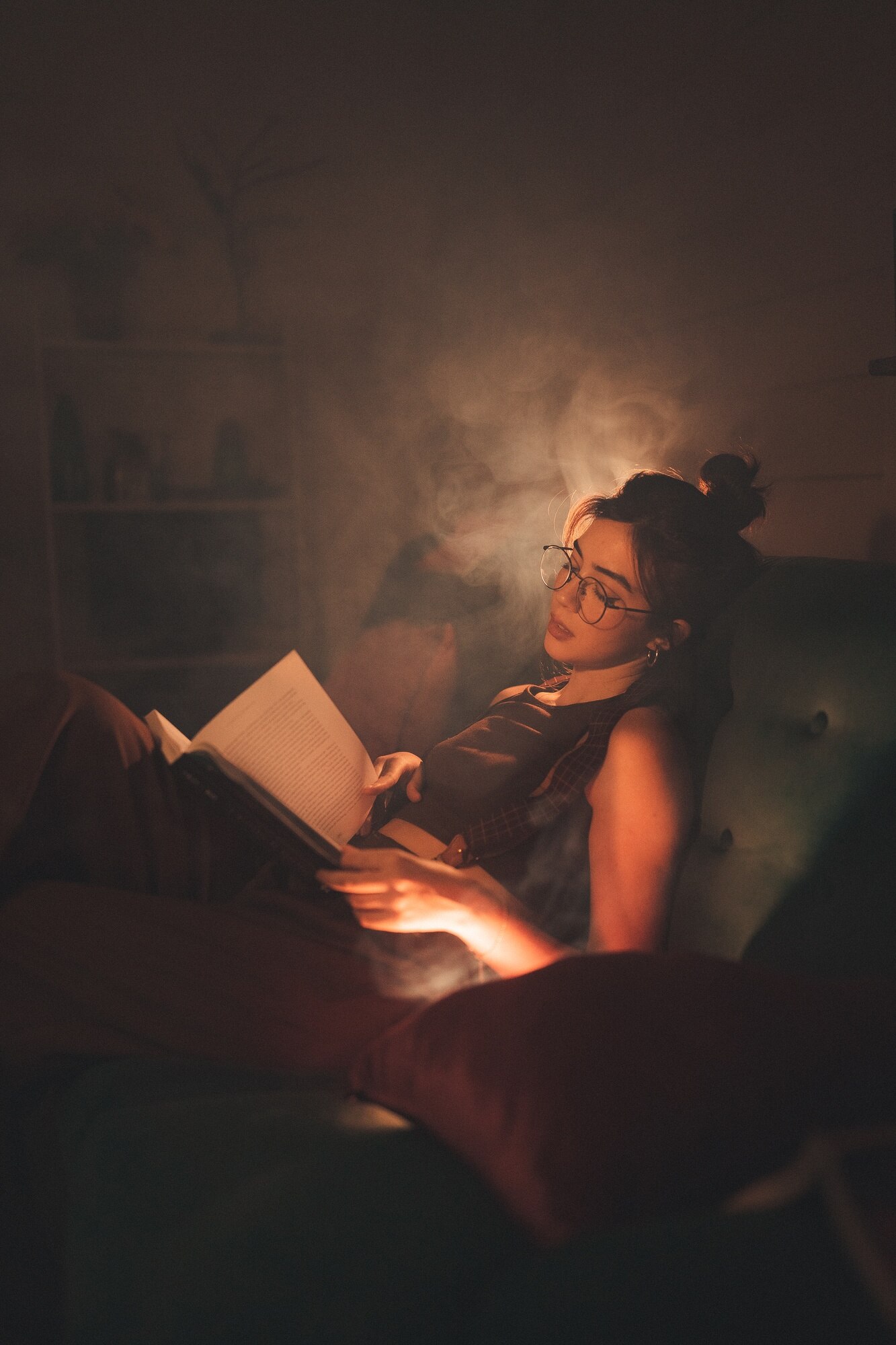
Beyond the Clock: Light and Darkness for Whole-Body Health
Light and darkness do far more than set our sleep-wake cycles. Both are powerful signals that shape many aspects of health, well beyond circadian timing alone.
Light's impact on health
Daytime light exposure influences hormone production, immune function, metabolism, and mental health. Proper exposure to bright days supports healthy blood sugar, reduces inflammation, and may lower the risk of chronic diseases. Light is a key input for energy, mood, and long-term resilience.
Darkness' impact on health
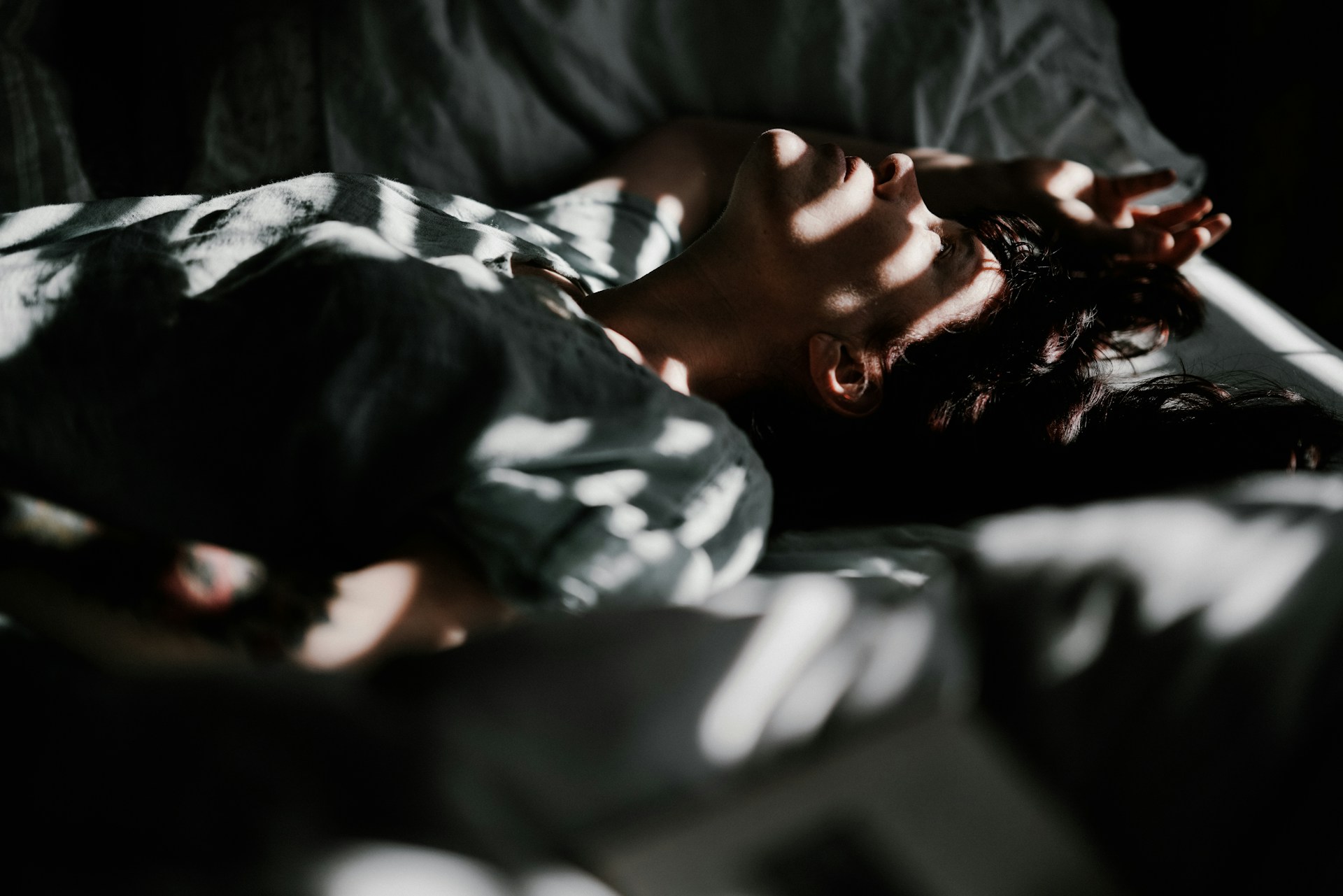
Darkness is not just the absence of light, it's a biological signal in its own right. True darkness at night allows the brain to release melatonin, repair cells, and support deep, restorative sleep. Even small amounts of artificial light at night can disrupt these processes, increasing the risk for sleep disorders, metabolic issues, and mood disturbances. Prioritizing darkness in the evening and during sleep is as important as seeking light during the day.

Design your environment
- Home: Create a bright zone for mornings and a dim path for nights. Use lamps and dimmers to step down light before bed.
- Work: Sit near windows when you can. Add task lighting for detail work during the day.
- Devices: Use auto brightness and night filters in the evening. Set screen curfews that align with your target bedtime.
Myths to retire
- I can see fine, so I don't need to turn on lights: Light is so much more than for visibility. During the day, you may be able to see fine with the lights off, but your body still needs bright light to set the clock and support alertness.
- More light is always better: You need a daily contrast. Bright days and dim nights. Constant brightness flattens rhythms.
- Blue light is always bad: Blue rich light supports alertness and is useful early in the day. The problem is exposure late at night.
- One morning session fixes everything: Your clock responds to the full 24 hour pattern. Morning anchors help, but evenings and nights must support sleep too.
- Smart bulbs alone solve timing: Tools help, but alignment still depends on consistent timing choices across your day. The bulb itself is much less important than knowing what color it should be set at and when.
Why this is a health pillar
- Sleep quality: Aligned light patterns improve sleep onset, reduce awakenings, and support deeper stages.
- Daytime performance: Stable rhythms lift energy, focus, reaction time, and mood.
- Long term resilience: Consistent alignment supports metabolic, cardiovascular, immune, and cognitive health.


Putting it together with other cues
Light is the lead signal, but you get better results when you coordinate temperature, meal timing, caffeine, and exercise. Think of light as the conductor and the other cues as the orchestra. When they play together, sleep timing becomes reliable and mornings feel natural.
Next up:
Ready to put this into practice without special gear? Start with simple steps that create big gains.