

Why Modern Life Scrambles Your Body Clock
A look at the everyday patterns of modern life that quietly pull your body clock off course and make good sleep harder to sustain.


In our previous article, we defined Circadian Sleep Optimization and showed why alignment matters. If you missed it, start here.
Read: What is Circadian Sleep Optimization?
The short version
Your circadian system expects bright days, dim evenings, predictable meals, and consistent timing. Modern life often delivers the opposite. The result is a clock that drifts later or becomes weak and noisy, which makes high quality sleep harder to get when you actually need it.
What pulls your clock off time
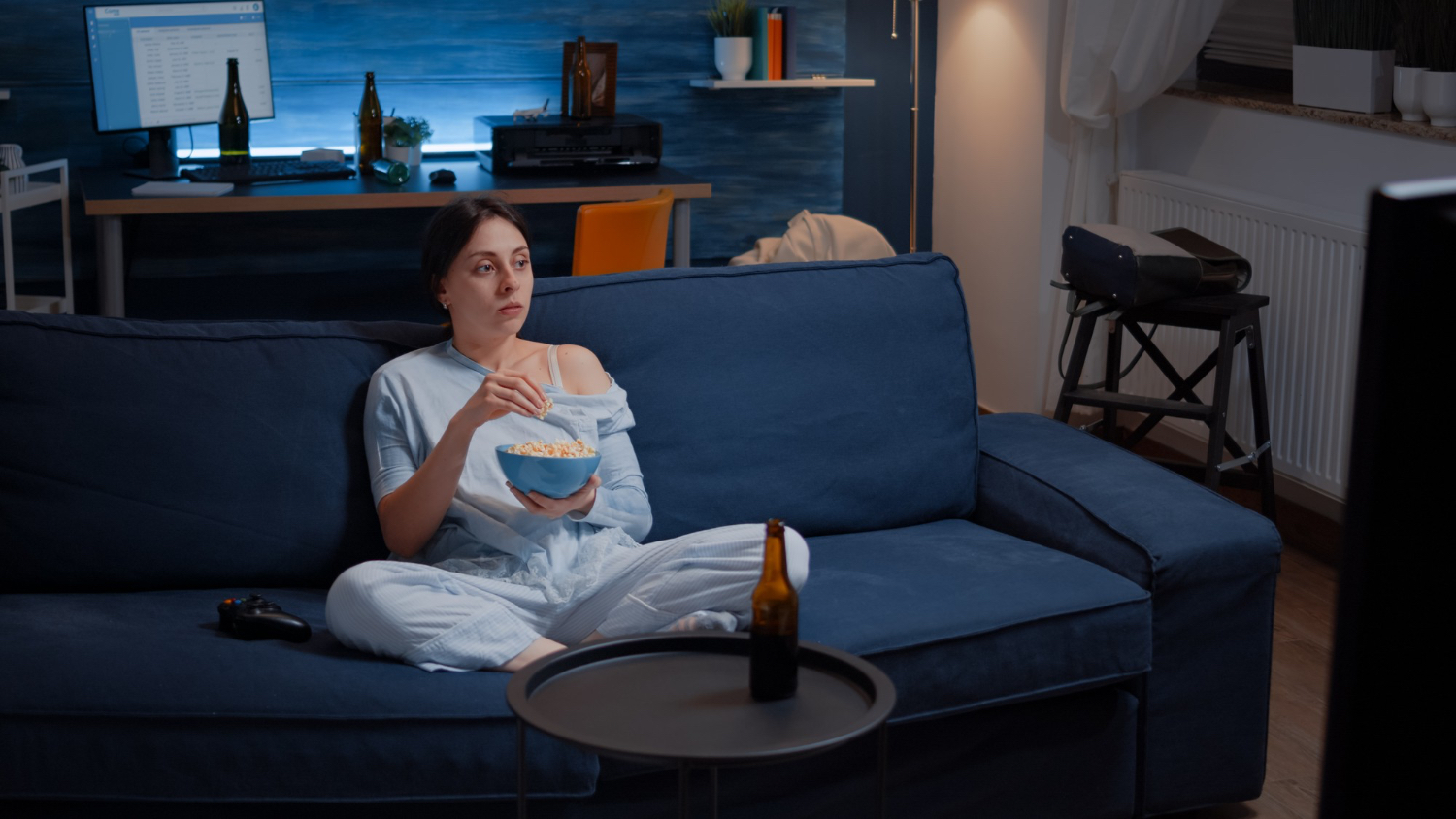
- Bright evenings and screens: High light levels at night signal day to your brain and push sleep later.
- Dim indoor days: Many offices and homes are far darker than daylight, which weakens your daytime signal.
- Irregular schedules: Large swings in sleep and wake times create social jet lag that desynchronizes rhythms.
- Late meals and snacking: Food timing is a time cue. Late calories nudge the system later.
- Caffeine too late: Stimulants close to bedtime delay sleep onset and fragment rest.
- Always on connectivity: Late work, messages, and entertainment keep arousal high when it should be falling.
- Shift work and rotating rosters: Frequent flips in timing prevent the clock from stabilizing.
- Travel across time zones: New light patterns collide with an old internal time until re-entrainment occurs.
- Warm, bright bedrooms: Heat and light at night weaken the night signal and reduce sleep depth.
- Late intense exercise: Hard efforts close to bedtime can boost alertness when you want wind down.
- Alcohol at night: Sedation is not natural sleep and it disrupts REM and temperature patterns.
Each factor may seem small on its own. Together, they create persistent drift and low amplitude rhythms.
How misalignment builds up
- Night one: You work late on a bright screen, eat a late meal, and push bedtime by 45 minutes.
- Morning after: An alarm cuts sleep. Grogginess and coffee follow. Daylight exposure is brief.
- Week pattern: Small delays accumulate across days. Weekends shift even later, then Monday snaps back early.
This cycle weakens the signal that tells your brain and body when to be fully awake and when to sleep deeply. Sleep becomes light and irregular, and waking up requires force rather than happening naturally.
Without fixing the underlying drift, it becomes a catch-22: you either need to disrupt your sleep with an alarm to get up on time, or your sleep schedule ends up so misaligned that you go to sleep at the time you should be waking up.

Mechanics in plain language
- Phase: Your clock has a preferred timing. Evening light usually delays it. Early morning light usually advances it.
- Amplitude: Strong day signals and dark nights create a tall rhythm that is stable. Weak signals flatten the rhythm and make timing wobbly.
- Consistency: Regular cues teach the clock what time it is. Inconsistent cues confuse it.
Common modern profiles that trick biology
- Too dim by day: Indoor light is often one tenth to one hundredth of outdoor daylight.
- Too bright by night: Ceiling lights and screens keep circadian sensors in day mode.
- Late calories: Large dinners and snacks shift peripheral clocks later.
- Unstable timing: Weekday and weekend swings train two different clocks.


Simple corrections that protect alignment
- Front load light: Get bright outdoor light soon after waking and keep your daytime workspace brighter.
- Dim the evening: Lower light levels and shift to warmer light two to three hours before bed.
- Anchor bed time: Keep your bed time inside a consistent window across the week. Set a sleep alarm instead of a wake alarm.
- Move meals earlier: Place most calories earlier and finish dinner earlier in the evening.
- Set a caffeine cutoff: Protect the night by moving stimulants to the first half of the day.
- Cool, dark bedroom: Treat darkness and temperature as essential night signals.
These moves stop the daily drift and rebuild a stronger rhythm so sleep fits your schedule instead of fighting it.
Next up:
We will look at what chronic misalignment does to health and performance, from daytime fatigue to long term risk.