

The Science Behind Circadian Sleep Optimization
An accessible overview of the biology behind Circadian Sleep Optimization, from the master clock in the brain to the cues that help keep the whole system aligned.


If you are new to the series, start with our primer. It explains what Circadian Sleep Optimization is and why it matters.
Read: What is Circadian Sleep Optimization?
Your circadian system at a glance
- Master clock: A tiny region in the brain coordinates timing across the body and keeps daily rhythms near 24 hours.
- Peripheral clocks: Tissues like liver, muscle, and fat have their own clocks that sync with the master clock.
- Zeitgebers: External time cues that set the clocks. Light is primary. Temperature, meal timing, caffeine timing, exercise, and social timing also matter.
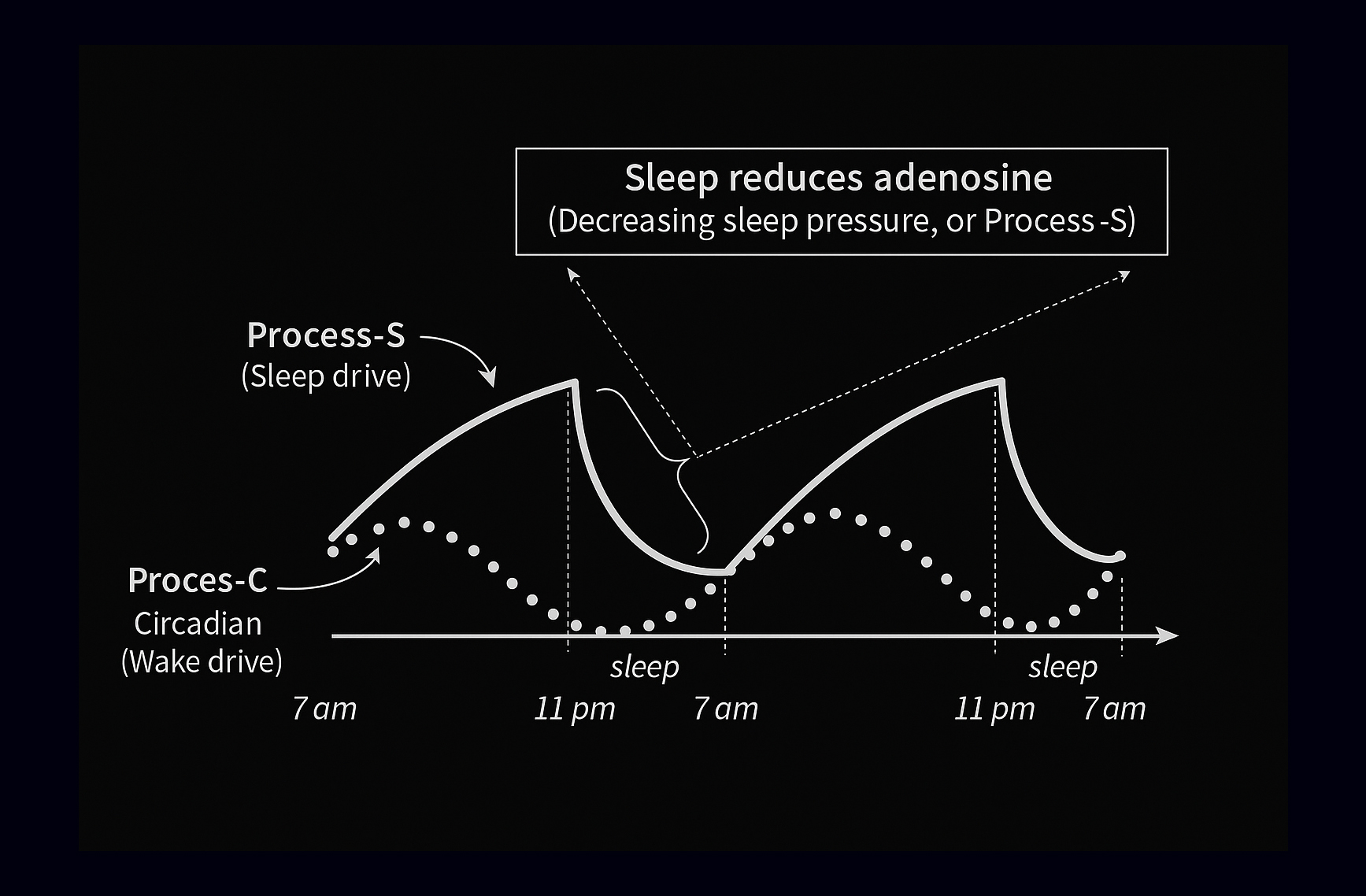
- Two processes shape sleep: Process C is the circadian drive for wake and sleep. Process S is sleep pressure that builds with time awake and fades during sleep.


Light is the master signal
- How light gets in: Specialized retinal cells send light information to the brain’s clock. These cells are especially sensitive to bright, short wavelength light.
- Morning vs evening: Light soon after waking tends to shift rhythms earlier and strengthens daytime alertness. Bright light late in the evening tends to shift rhythms later and can disrupt wind down.
- Darkness is active too: Low light at night allows the body to produce melatonin and drop core temperature, both of which support sleep onset and continuity.
Timing changes the effect of light
The phase response curve in plain language
- Early day exposure: Bright light within the first 1 to 2 hours after waking tends to shift your clock earlier and reduce morning grogginess.
- Late evening exposure: Bright light in the 2 to 3 hours before bedtime tends to shift your clock later and can make falling asleep harder.
- Nighttime exposure: Light during the sleep period fragments sleep and weakens the next day’s rhythm.
- Dose matters: Intensity, duration, spectrum, and recent light history all influence the effect. Brighter and longer exposures create larger shifts.
Light timing and your temperature minimum
- Temperature minimum: Your body temperature naturally drops at night, reaching its lowest point about 2 hours before your natural wake time. Your temperature minimum is this time (and not the temperature itself).
- Phase delay: Bright light exposure in the 2 to 3 hours before your temperature minimum tends to shift your clock later.
- Phase advance: Bright light exposure in the 2 to 3 hours after your temperature minimum tends to shift your clock earlier.
- Why it matters: By purposefully timing your light exposure, you can shift your clock earlier or later to match your schedule. This is especially useful for shift workers or those traveling across time zones, but it is also critical to understand so you don't accidentally shift your clock later by using bright light in the evening.
The diabolical effect of light timing
Here's the tricky part: most indoor lighting is too dim to set your clock in the morning, but bright enough to shift it later in the evening.
This means that turning the lights on in the morning does not help you wake up or anchor your body's clock, but turning the same lights on in the evening can make it harder to fall asleep and cause your sleep schedule to drift.

Other zeitgebers that support alignment
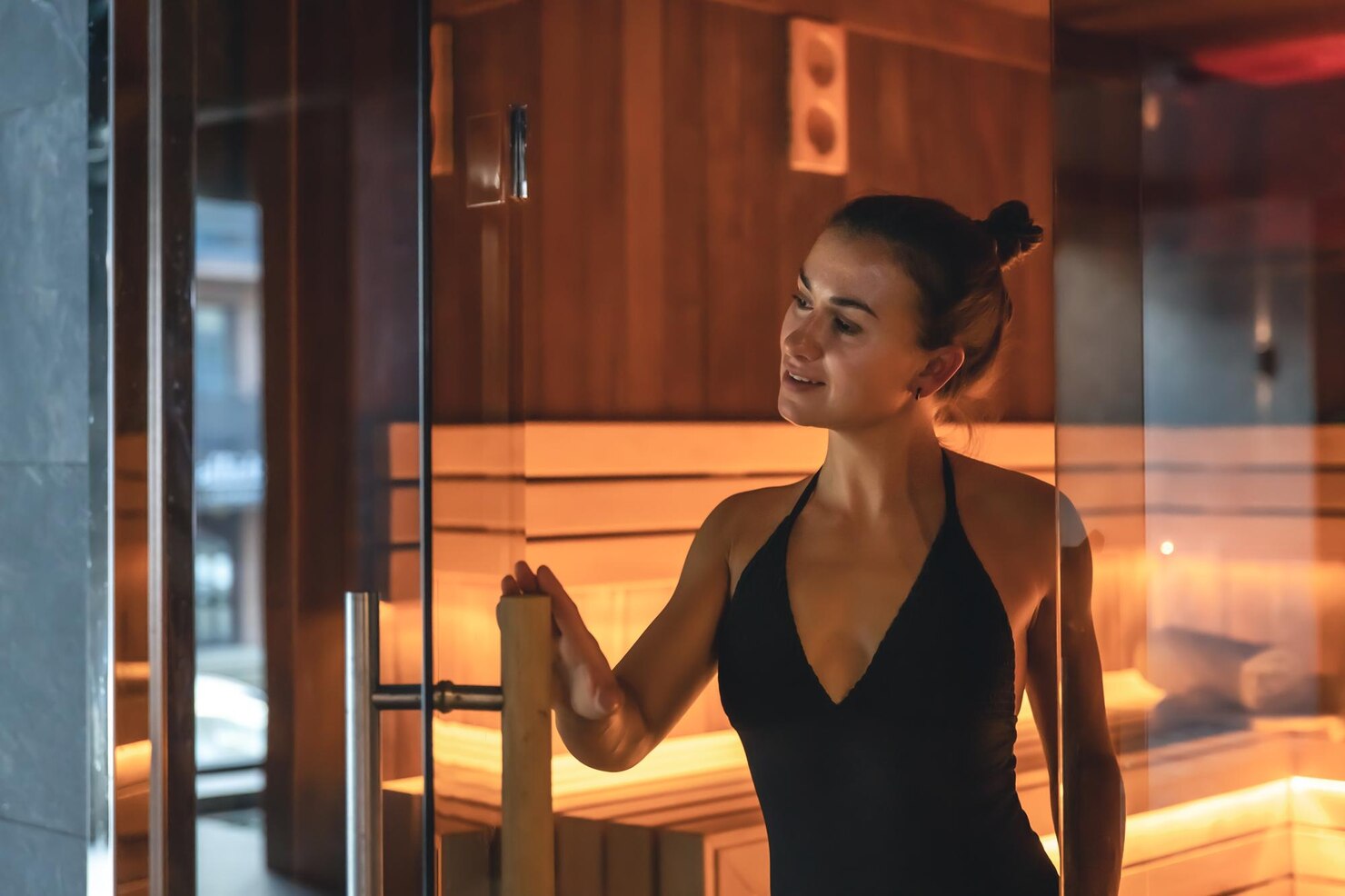
- Temperature: Your body runs warmer by day and cooler at night. Keep days comfortable and nights cooler. A warm shower 1 to 2 hours before bed can help heat loss and wind down.
- Meal timing: Regular daytime eating supports stable rhythms in metabolic tissues. Large or very late meals push timing later and can impair sleep quality.
- Caffeine timing: Caffeine reduces sleep pressure. A personal cutoff in the early afternoon helps protect bedtime. Sensitivity varies, so adjust based on your response.
- Exercise timing: Daytime activity strengthens circadian amplitude and improves sleep depth. Very late intense sessions can delay wind down for some people.
- Social timing: Consistent wake time anchors the system. Large weekend shifts create social jet lag and weaken alignment.
Process C and Process S work together
- Process C: The circadian signal promotes alertness during the day and sleepiness at night. Light is the key tool to set its timing.
- Process S: Sleep pressure builds with time awake and drops during sleep. Naps and caffeine lower pressure. Late caffeine or long evening naps can reduce pressure too close to bedtime.
- Why this pairing matters: You fall asleep fastest when circadian sleep drive is rising and sleep pressure is high. You wake easily when circadian wake drive is rising and sleep pressure is low.
Chronotype, season, and latitude
- Chronotype differences: Some people naturally prefer earlier or later schedules. Use the same principles with different timing targets.
- Season and latitude: Short winter days and long summer evenings change light availability. Strategic indoor lighting helps keep timing stable year round.


How Circadian Sleep Optimization applies the science
- Anchor mornings: Bright light soon after waking, light movement, and a natural rise in temperature set phase and reduce sleep inertia.
- Reinforce days: Work or study in brighter light, place most calories earlier, and schedule exercise to support energy and recovery.
- Dim evenings: Reduce light intensity, shift spectrum warmer, finish meals earlier, and avoid late caffeine to allow melatonin to rise.
- Protect nights: Keep the room dark and cool, limit disturbances, and maintain a consistent sleep window.
- Adjust when life changes: For travel, shift work, or new routines, use timed light, meals, caffeine, and movement to advance or delay with purpose.
What success looks like
- Faster sleep onset: You fall asleep within a predictable window without tossing and turning.
- Stable sleep architecture: Deeper slow wave sleep and steady REM cycles across the night.
- Natural mornings: You wake close to your target time with less need for an alarm.
- Daytime performance: More consistent energy, focus, mood, and recovery.

Next up:
In the next article we put this science into motion across a full day so your schedule and biology work together.
Read: How Circadian Sleep Optimization Works Across Your Day